Religion in Kazakhstan
Faiths, religious celebrations, and what visitors should know at sacred sites
Last reviewed on 29 September 2026
Kazakhstan is a secular state with a mostly Muslim population and a large Orthodox Christian minority, and the two have shared the same streets for well over a century. Religion here is worn lightly in public and taken seriously in private — which is why a visitor can spend two weeks in the country without ever feeling it, and then walk into a family home during Oraza Ait and find it structuring the entire day.
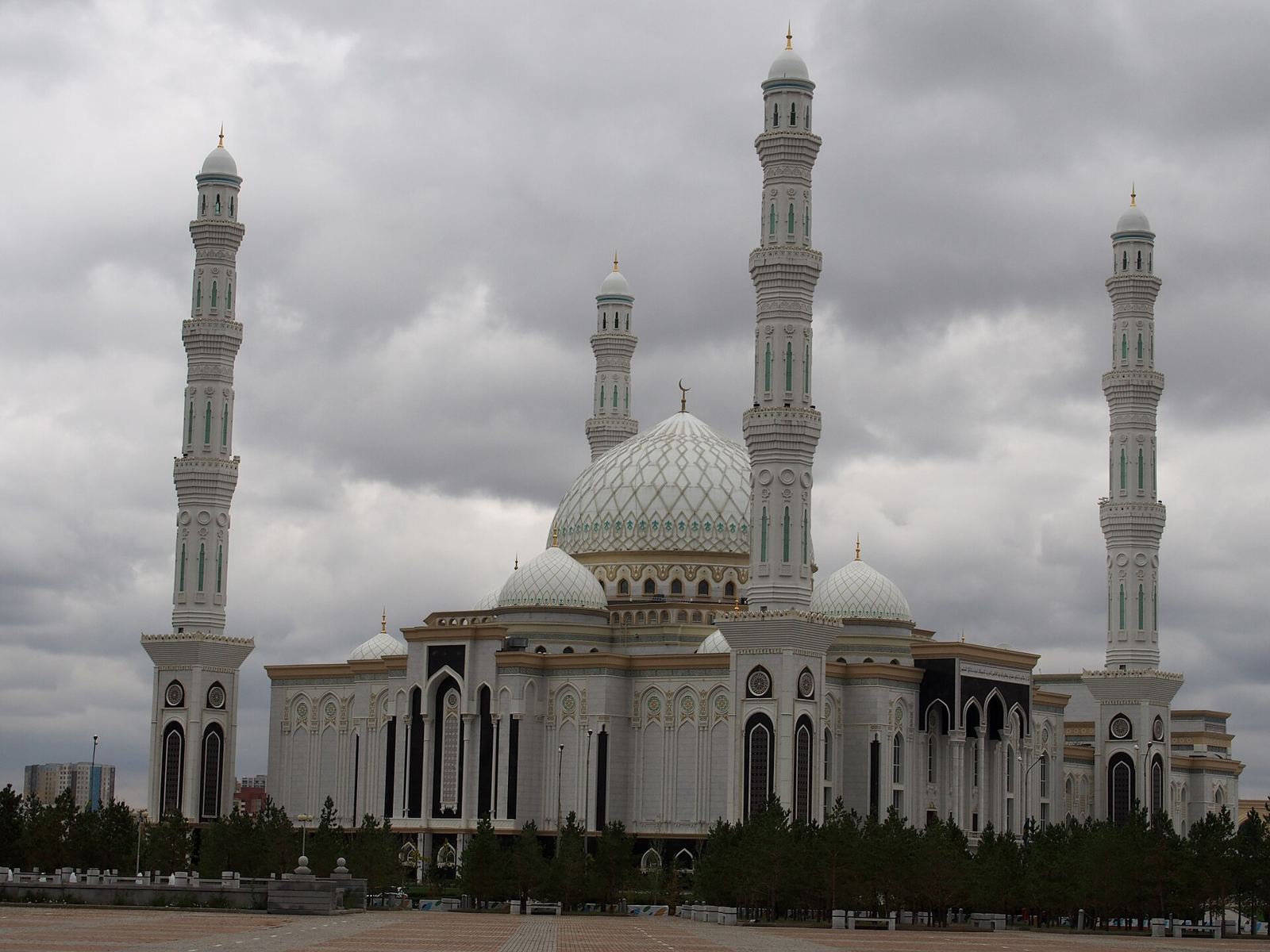
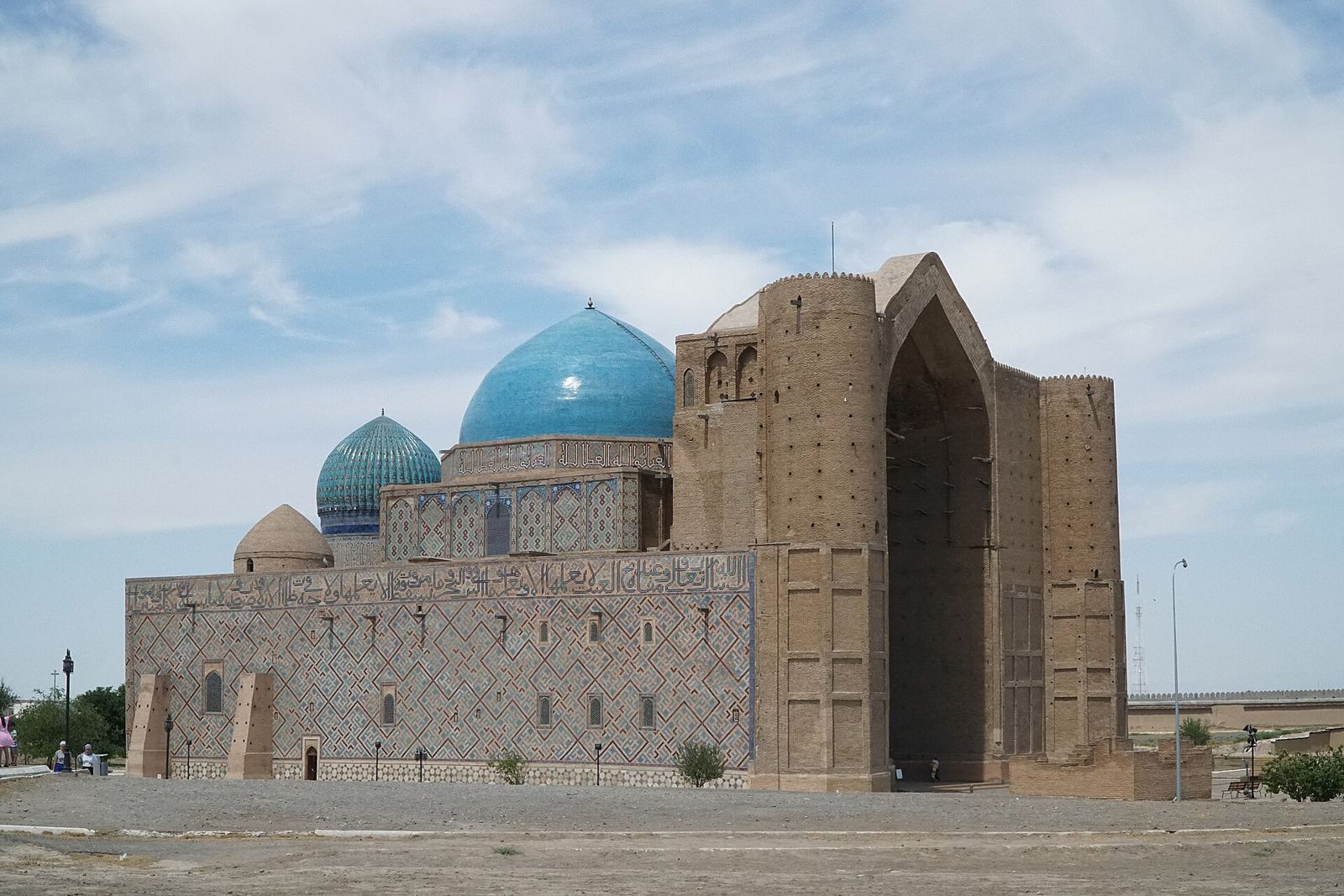
This page covers who believes what, which religious celebrations you are likely to encounter, how open the country is to other traditions, and the etiquette that matters when you visit a mosque, a church or a shrine such as the Mausoleum of Khoja Ahmed Yasawi in Turkestan.
What Is the Main Religion in Kazakhstan?
Islam is the main religion in Kazakhstan. In the 2021 national census, about 69% of residents identified as Muslim, almost all of them Sunni Muslims of the Hanafi school. Christianity is the second-largest religion at about 17%, mostly Russian Orthodox. Around 2% said they were non-believers, a very small share named another faith, and roughly one in ten chose not to answer the question.
Does Kazakhstan have an official religion?
No. The constitution defines Kazakhstan as a secular state: there is no state religion, religion is separate from the state, and freedom of conscience is guaranteed. The 2011 law on religion acknowledges the historical role of Hanafi Islam and Orthodox Christianity, and Kurban Ait and Orthodox Christmas are public holidays, but neither faith is a state religion.
Religion in Kazakhstan at a glance
| Religion | Share of population (2021 census, approx.) | Who mainly practises it |
|---|---|---|
| Islam (Sunni, Hanafi) | about 69% | Kazakhs, Uzbeks, Uyghurs, Tatars |
| Christianity (mostly Russian Orthodox) | about 17% | Russians, Ukrainians, Belarusians, Germans, Poles |
| Non-believers | about 2% | Mixed |
| Other faiths (Judaism, Buddhism, Baha'i and others) | well under 1% | Small urban communities |
| Did not answer | about 11% | — |
Figures are rounded from the 2021 census published by Kazakhstan's Bureau of National Statistics. They measure self-identification, not practice — far fewer people pray daily or attend services regularly.
Which Religions Are Practised in Kazakhstan?
Roughly seven in ten people identify as Muslim and about one in six as Christian, with small communities of other faiths and a meaningful number of people who describe themselves as non-believing or prefer not to say. The split follows ethnic lines more than anything else.
- Sunni Islam (Hanafi school) — the faith of most ethnic Kazakhs, along with Uzbeks, Uyghurs and Tatars. Arrived with Silk Road traders and Sufi preachers from the 8th century, and spread across the steppe slowly, blending with older nomadic practice rather than replacing it.
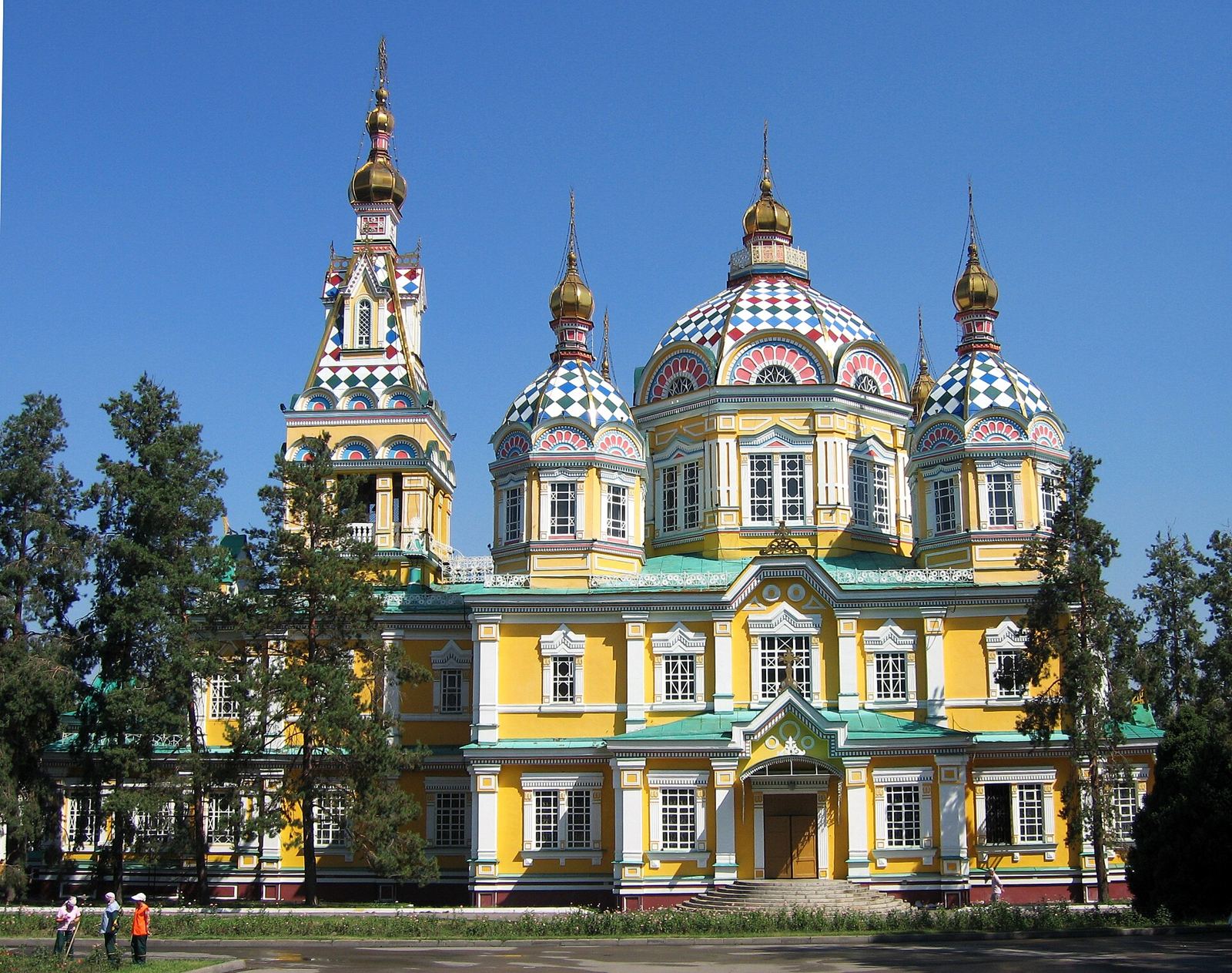
- Russian Orthodox Christianity — the faith of most ethnic Russians, Ukrainians and Belarusians, who came in large numbers under the Russian Empire and again during the Soviet Virgin Lands campaign. Orthodox cathedrals are landmarks in Almaty, Astana, Oral and Karaganda.
- Catholicism and Lutheranism — largely among descendants of Poles and Volga Germans deported to Kazakhstan in the 1930s and 1940s. Karaganda and Astana both have Catholic cathedrals.
- Judaism, Buddhism, Baha'i and others — small but long-established communities, mostly in the larger cities.
Underneath all of this runs a layer of pre-Islamic steppe belief that has never quite gone away: Tengri the sky god, reverence for ancestral spirits (aruaq), the burning of juniper to cleanse a house, and the ribbons tied to trees at holy springs. Most Kazakhs would not call these religion — they are simply what you do.
What is Islamic culture like in Kazakhstan?
Kazakh Islam is moderate and closely tied to national identity: many people call themselves Muslim because they are Kazakh, rather than because they pray five times a day. You will hear the call to prayer in the south, see new mosques in every town, and find halal food the norm, yet alcohol is sold openly, most women do not cover their hair, and the Friday rhythm is far less visible than in the Gulf or Iran. Religious observance has grown since independence, especially among young people in the south and west, while the north and the big cities remain more secular. The most visible Islamic culture is the veneration of saints' shrines — above all Yasawi's mausoleum — and the Quran recitations held for the dead.
Religious Celebrations Through the Year
Two Islamic holidays and two Christian ones are widely observed, and one spring festival that predates both is the biggest celebration in the country.
Nauryz (21–23 March)
Not a religious holiday at all in origin — it is the Persian and Turkic new year, marking the spring equinox, and it is the largest celebration of the Kazakh calendar. Cities put up yurts in the main squares, families cook nauryz kozhe from seven ingredients, and the mood is closer to a national street party than a rite. Read more in our guide to Kazakh traditions and customs.
Oraza Ait (Eid al-Fitr)
The end of Ramadan. Unlike Kurban Ait it is not usually an official day off, but it is widely celebrated: families visit each other from early morning, tables stay laid all day, and children go door to door. The date moves back about eleven days each year against the Western calendar. Ramadan itself is observed by a minority; restaurants stay open normally and nobody expects visitors to fast.
Kurban Ait (Eid al-Adha)
The feast of sacrifice, about ten weeks after Oraza Ait, and a public holiday (the first day is an official day off). Meat is distributed to relatives, neighbours and those in need. If you are invited to a household on this day, go — it is one of the warmest days of the year to be a guest in Kazakhstan.
Orthodox Christmas (7 January) and Easter
Orthodox Christmas is a public holiday observed by the Christian population, while Easter (Paskha) is the bigger of the two religiously, marked with painted eggs and kulich bread. New Year on 31 December remains the largest secular celebration for everyone, a Soviet inheritance that outranks both.
Are Other Traditions and Faiths Allowed?
Yes. The constitution defines Kazakhstan as a secular state and guarantees freedom of conscience, and in everyday practice the country is genuinely relaxed about religious difference — a legacy of a century of Kazakhs, Russians, Germans, Koreans, Tatars and Uyghurs living in the same apartment blocks. Mixed marriages are common, and it is normal for one family to mark both Kurban Ait and New Year without anyone thinking it contradictory.
Two practical caveats for visitors. First, religious organisations must register with the state, and unregistered missionary activity and the distribution of religious literature in public are restricted by law — travelling to preach or hand out material is not the same as travelling to worship. Second, private belief is respected but public proselytising is not welcomed socially, from any direction. Visiting a mosque, attending a service, asking questions and being curious are all completely fine.
Etiquette at Mosques, Churches and Shrines
Kazakhstan's sacred sites are used, not staged, and the standards are the ordinary ones of the region.
- Dress: covered shoulders and knees at any religious site. Women should carry a scarf for mosques and Orthodox churches, where covered hair is expected. Men should avoid shorts.
- Shoes: removed before entering a mosque's prayer hall. There will be a rack or a shelf.
- Timing: avoid the prayer hall during Friday midday prayers unless you are joining. At the Yasawi mausoleum, pilgrims come first — step back and let them.
- Photography: generally fine outside, often fine inside, never of people praying without asking. In Orthodox churches, photography is frequently prohibited outright.
- Behaviour: quiet voices, no crossing in front of someone at prayer, and no sitting with the soles of your feet pointed towards the mihrab or an altar.
- Donations: boxes are usually present and contributions are welcome but never demanded. Small notes are normal.
The hospitality customs that apply in Kazakh homes — bata, the blessing given at the end of a meal, and the deference shown to elders — carry religious weight too. Our pages on traditions and customs and Kazakh food and dining etiquette cover what to do at the table.
Where to See Religious Heritage
- Turkestan — the Mausoleum of Khoja Ahmed Yasawi, the country's most important pilgrimage site and a UNESCO World Heritage monument.
- Shymkent and Sayram — Sayram, 10km from Shymkent, holds the tombs of Yasawi's parents and is one of the oldest continuously inhabited places in Kazakhstan.
- Aktau and Mangystau — the underground mosques of the Mangystau desert, carved into chalk and still visited by pilgrims.
- Taraz — the Aisha Bibi and Babaji Khatun mausoleums, 11th and 12th-century brickwork on the old Silk Road.
- Almaty — Zenkov Cathedral, a wooden Orthodox cathedral built without nails that survived the 1911 earthquake, alongside the Central Mosque.
For the wider story of how these layers arrived, see the history of Kazakhstan timeline.
Religion in Kazakhstan: Frequently Asked Questions
What is the main religion in Kazakhstan?
Islam. In the 2021 census about 69% of residents identified as Muslim, almost all Sunni Muslims of the Hanafi school.
Does Kazakhstan have an official religion?
No. The constitution defines Kazakhstan as a secular state with no state religion and guarantees freedom of conscience. Muslim and Orthodox Christian holidays are nevertheless public holidays.
What percentage of Kazakhstan is Muslim and Christian?
According to the 2021 census, about 69% of the population is Muslim and about 17% Christian, mostly Russian Orthodox. Around 2% are non-believers and roughly 11% did not answer the question.
Is Kazakhstan a strict Islamic country?
No. Religious practice is generally relaxed: alcohol is sold openly, most women do not cover their hair and nobody expects visitors to fast during Ramadan. Dress modestly at mosques and shrines, and in more conservative southern towns.
Can visitors enter mosques in Kazakhstan?
Yes. Visitors are welcome at most mosques outside prayer times. Cover shoulders and knees, remove your shoes before the prayer hall, and women should bring a scarf to cover their hair.