People of Kazakhstan
Who lives in Kazakhstan, how they came to be here, and what to expect when you meet them
Last reviewed on 2 November 2026
About 20.5 million people live in Kazakhstan, and roughly seven in ten of them are ethnic Kazakhs. The rest belong to more than a hundred other groups, from Russians and Uzbeks to Koreans, Germans and Uyghurs, many of whose families arrived as settlers under the Russian Empire or as deportees under Stalin. That history is why one Almaty street can serve Kazakh, Korean and Uyghur food, and why the first thing to learn about the people of Kazakhstan is that there is no single type.
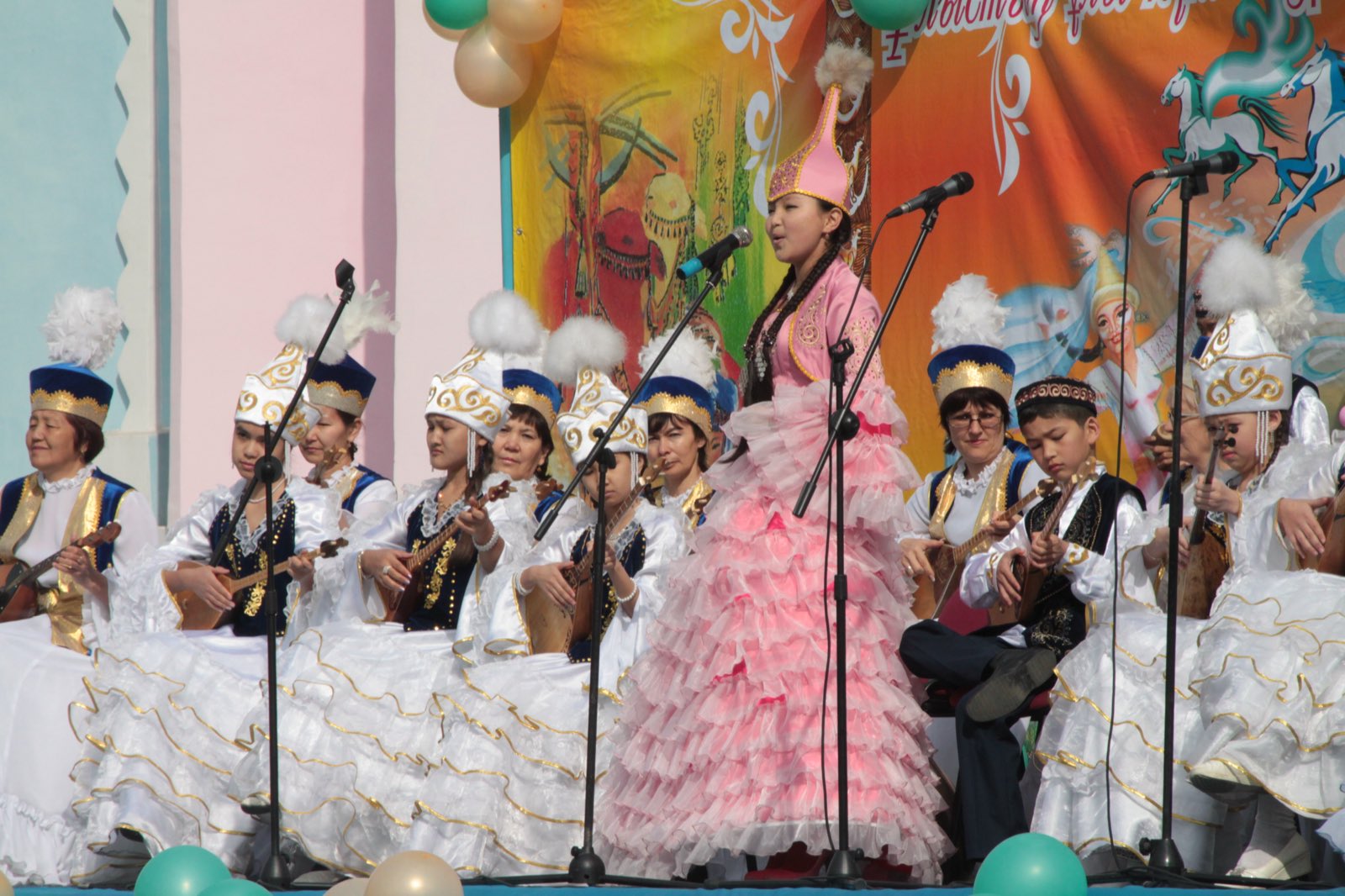
This page covers who lives in the country, where the Kazakhs and other communities came from, how clans and names work, which languages people use, and what to expect when you meet them. For customs in detail, see Kazakh traditions; for faith, see religion in Kazakhstan.
Who Are the People of Kazakhstan?
Ethnic Kazakhs are about 71.5% of Kazakhstan's population, Russians about 14.4% and Uzbeks about 3.4%, with more than 120 nationalities represented in all. Those are Bureau of National Statistics estimates for the start of 2026, when the population stood at about 20.5 million. The last full census, in 2021, counted about 19.2 million people, of whom 70.4% were Kazakh and about 15% Russian. The two sets of figures do not conflict: the Kazakh share has kept rising and the Russian share falling.
Largest ethnic groups in Kazakhstan
| Group | People (start of 2026) | Share (approx.) |
|---|---|---|
| Kazakhs | 14.66 million | 71.5% |
| Russians | 2.94 million | 14.4% |
| Uzbeks | 696,000 | 3.4% |
| Ukrainians | 368,000 | 1.8% |
| Uyghurs | 309,000 | 1.5% |
| Germans | 223,000 | 1.1% |
| Tatars | 218,000 | 1.1% |
| Azerbaijanis | 158,000 | 0.8% |
| Koreans | 121,000 | 0.6% |
| Turks | 93,000 | 0.5% |
| Dungans | 88,000 | 0.4% |
Bureau of National Statistics estimates, not census counts. Numbers are rounded, and shares below the top three are calculated from them.
Kazakh or Kazakhstani: What Is the Difference?
A Kazakh is a member of the ethnic group; a Kazakhstani is any citizen of Kazakhstan, whatever their background. A Russian or Korean born in Almaty is Kazakhstani but not Kazakh. English often blurs the two, but the distinction matters locally, and "Kazakhstani" is the accurate word for the country's people as a whole. The idea has its own public holiday, the Day of Unity of the People of Kazakhstan, on 1 March.
Where Do the Kazakhs Come From?
The Kazakhs emerged as a people in the 15th century from the Turkic and Mongol tribes of the steppe. Their ancestors lived in the eastern lands of the Golden Horde, and in 1465 two sultans of Genghis Khan's line, Kerey and Zhanibek, led their followers away to found the Kazakh Khanate. The history of Kazakhstan covers what came next.
The name is usually linked to a Turkic word for a free, independent wanderer, although the exact origin is debated. The word Cossack comes from the same root, but Cossacks and Kazakhs are different peoples. Kazakh communities also live in China, Mongolia, Uzbekistan and Russia.
Kazakhs descend from Turkic and Mongol peoples of the Eurasian steppe, and Kazakhstan's population is diverse enough that appearance tells you little about anyone's ethnicity, language or faith.
What ethnic Kazakh culture looks like today is less about nomadism, which ended by force in the 1930s, than about the social code that survived it: hospitality, deference to elders and attention to family lineage. Kazakh traditions explains how much of it is still lived.
What Are the Three Zhuz?
The zhuz are the three large groupings into which Kazakh clans traditionally fall, each tied roughly to a region.
- Senior Zhuz (Uly Zhuz): the south and south-east, with clans such as the Dulat, Jalayir and Qangly
- Middle Zhuz (Orta Zhuz): the north, centre and east, with clans such as the Naiman and Argyn
- Junior Zhuz (Kishi Zhuz): the west, with groups including the Adai
How and when the zhuz formed is disputed. Historians date them anywhere from the second half of the 16th century to the early 18th, and reliable early evidence is thin. The first references in Eastern documents appear around the mid-17th century.
Below the zhuz sits the clan, or ru. The custom of zheti ata, "seven ancestors", expects a person to know seven generations of paternal ancestors, and marriage within that circle is avoided. Many families still take the rule seriously. How much clans matter beyond family life is debated: some scholars argue they never worked as real organisations, and serve mainly as a way of reading people and politics through genealogy. For visitors the practical point is small. Showing interest is friendly, but do not guess someone's zhuz or treat it as a ranking.
Why Is Kazakhstan So Ethnically Mixed?
Kazakhstan is mixed because the Russian Empire and the Soviet Union moved large numbers of people here, often by force. Each community has its own story:
- Russians: forts and peasant settlers spread across the steppe under the Russian Empire, and Soviet industry and the 1950s Virgin Lands campaign brought many more.
- Ukrainians: peasant settlers came in waves from the late 19th century, especially after the Stolypin land reforms, mostly to the north. About 64,000 families were forcibly resettled during 1930s collectivisation, and others were deported in the following decade. The largest community today is in Kostanay Region.
- Germans: most descend from Volga Germans deported after the Nazi invasion of 1941. There were 957,518 in 1989, or 5.8% of the population. Most have since left, usually for Germany or Russia.
- Koreans: in autumn 1937 about 172,000 Koreans were deported from the Soviet Far East to Kazakhstan and Uzbekistan, and many died in the first years. Their descendants call themselves Koryo-saram. Korean carrot salad is their best-known contribution to the national table, and the Korean Theatre in Almaty has a troupe dating from the early 1930s.
- Uyghurs and Dungans: both came from western China. Dungans, who are Hui Muslims, crossed the Tian Shan in the winter of 1877–78 after a failed uprising, and one group settled at what is now Masanchi in Zhambyl Region. Uyghurs moved after the 1881 Treaty of Saint Petersburg, and in larger numbers in the 1950s and 1960s. The community is concentrated in and around Almaty.
- Tatars: Volga Tatar links run back to the Russian Empire, which appointed Tatar and Bashkir mullahs to serve on the Kazakh steppe.
- Uzbeks: long established in the south, where about 404,000 live in Turkestan Region alone.
- Others: Chechens, Ingush, Poles and others were deported here in the 1930s and 1940s.
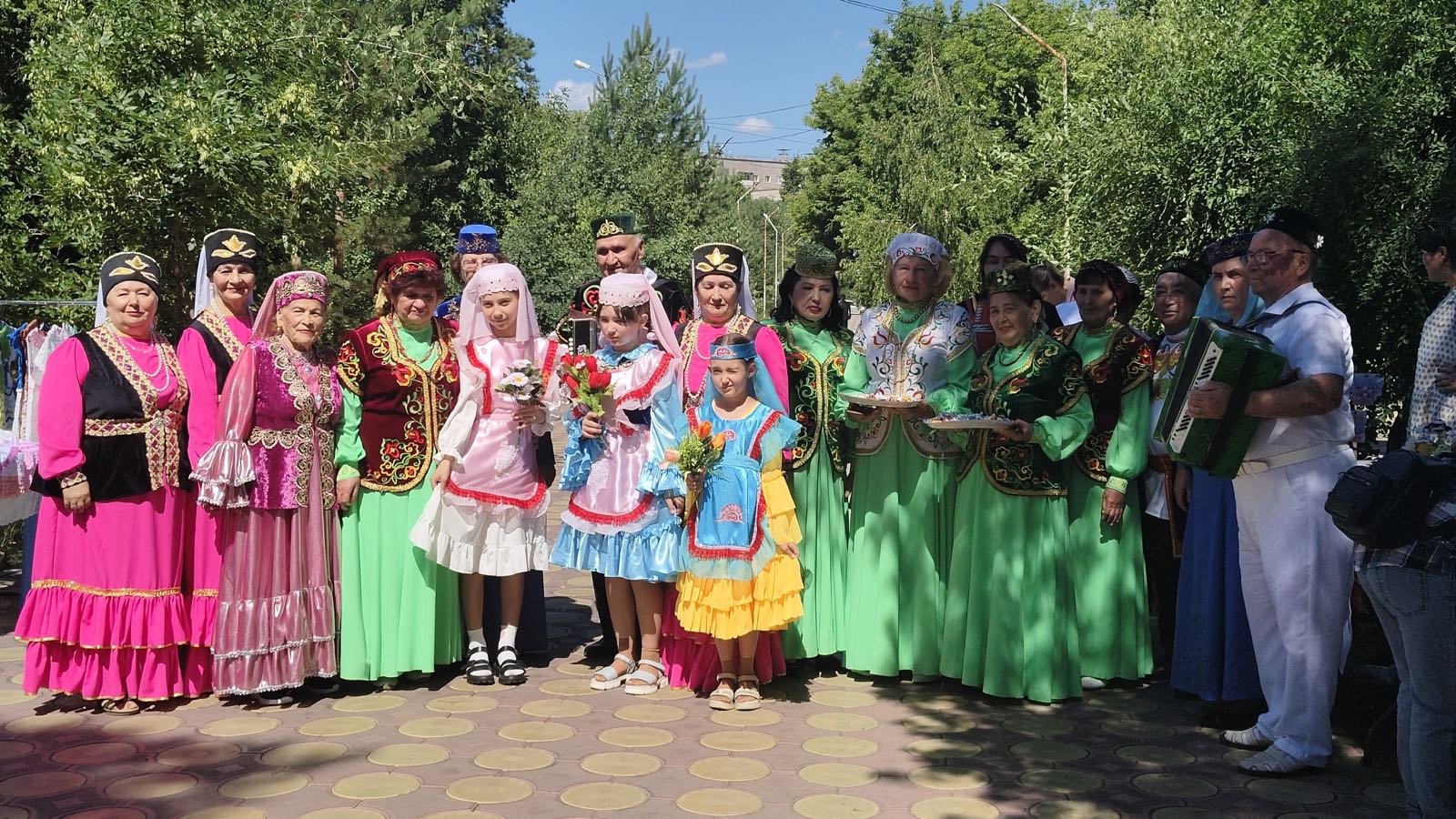
How the balance changed
For part of the Soviet period Kazakhs were a minority in their own republic. Census figures show the number of Kazakhs falling from 3.6 million in 1926 to 2.3 million in 1939, after forced settlement, famine and flight abroad, and by 1959 they were 30% of the population against 42.7% Russians. Since independence the balance has swung back, through higher Kazakh birth rates, the emigration of Russians, Germans and others, and the return of ethnic Kazakhs from abroad.
Who Are the Kandas?
Kandas are ethnic Kazakhs who have moved to Kazakhstan from abroad. The word means "compatriot" or "same blood", and it replaced the older term oralman, "returnee", in 2020. Officials put the number of returnees since independence at more than a million by that year. In 2025, 16,805 people received kandas status, 44.5% of them from Uzbekistan and 44.1% from China, with smaller numbers from Turkmenistan, Mongolia and Russia.
What Languages Do People Speak?
Kazakh is the state language, Russian is used alongside it, and many people switch between the two. The constitution in force since 1 July 2026 keeps Kazakh as the sole state language, with Russian used alongside it in state bodies. In the 2021 census about 80% of residents reported proficiency in Kazakh, about 84% in Russian and about 35% in English. Those are self-reported figures, and the English one in particular is widely thought to be too high.
In practice Kazakh dominates in the south and west, Russian in the north and in much of city life, and Russian is the first language of many minority families. Uzbek, Uyghur and other community languages are heard where those communities live. A few words go a long way: see Kazakh or Russian for travellers.
How Do Kazakh Names Work?
Many Kazakh surnames end in -ov or -ev, or -ova and -eva for women, a Russian form that spread through Soviet-era registration; others now use Kazakh endings. Since independence some people have replaced the ending with -uly, "son of", or -kyzy, "daughter of". The national poet Abai Qunanbaiuly is literally Abai, son of Qunanbai, while President Kassym-Jomart Kemeluly Tokayev has both a Kazakh-style patronymic and a Russian-style surname. Both forms are in everyday use.
In conversation, younger people often add a respectful word after an older person's first name: aga for a man and apai for a woman. Among Russian speakers, a first name and patronymic does the same job.
Where Do People Live?
About 64% of Kazakhstan's people live in towns and cities. That is the official figure for mid-2026, and it runs from 82.7% in Karaganda Region to 19.3% in the largely rural Almaty Region around the city. Almaty, Astana and Shymkent each have more than a million residents. The south and west tend to feel more traditional and Kazakh-speaking; the north and the biggest cities more Russian-speaking and secular.
Meeting People: What to Expect
- Greetings: a handshake is the standard greeting, older people are greeted first, and Salemetsiz be is the polite Kazakh hello. Kazakh traditions covers the details.
- Hospitality: expect to be offered tea and food, and at least taste what you are given. The rules of the table are in Kazakh food and dining etiquette.
- Language: do not guess someone's language from their face. Start with a Kazakh greeting, then follow their lead.
- Faith: most people are Muslim or Orthodox Christian, practice is mostly relaxed, and asking about it politely is fine.
- Photographs: ask before photographing people, especially at shrines and markets.
- Sensitive subjects: the 1930s famine, the deportations, the unrest of January 2022 and language politics all touch real family histories. Listen first, and avoid quick judgements.
People of Kazakhstan: Frequently Asked Questions
Who are the people of Kazakhstan?
Kazakhstan has about 20.5 million people. Official estimates for the start of 2026 put ethnic Kazakhs at about 71.5%, Russians at about 14.4% and Uzbeks at about 3.4%, followed by Ukrainians, Uyghurs, Germans, Tatars, Azerbaijanis and Koreans among more than 120 nationalities.
What is the difference between Kazakh and Kazakhstani?
Kazakh refers to the ethnic group and its language. Kazakhstani refers to any citizen of Kazakhstan, whatever their ethnic background, so a Russian or Korean from Almaty is Kazakhstani but not Kazakh.
Are people in Kazakhstan Muslim?
Most are. About 69% of residents identified as Muslim in the 2021 census, including most ethnic Kazakhs, and about 17% as Christian. Kazakhstan is a secular state and religious practice is generally relaxed.
Where do Kazakhs come from?
Kazakhs descend from the Turkic and Mongol tribes of the Eurasian steppe. They emerged as a distinct people in the 15th century, when the Kazakh Khanate was founded in 1465.
What are the three zhuz?
The zhuz are the three traditional groupings of Kazakh clans: the Senior Zhuz in the south and south-east, the Middle Zhuz in the north, centre and east, and the Junior Zhuz in the west. Historians disagree about when and how they formed.
What languages do people speak in Kazakhstan?
Kazakh is the state language and Russian is used alongside it. In the 2021 census about 80% of residents reported proficiency in Kazakh and about 84% in Russian. Those figures are self-reported, and English is much less common outside tourism and younger city dwellers.
Why are there Koreans and Germans in Kazakhstan?
Stalin's government deported them. About 172,000 Koreans were moved from the Soviet Far East to Kazakhstan and Uzbekistan in 1937, and Volga Germans were deported to Kazakhstan after the Nazi invasion in 1941. Many of their descendants still live in the country.